
Abstract
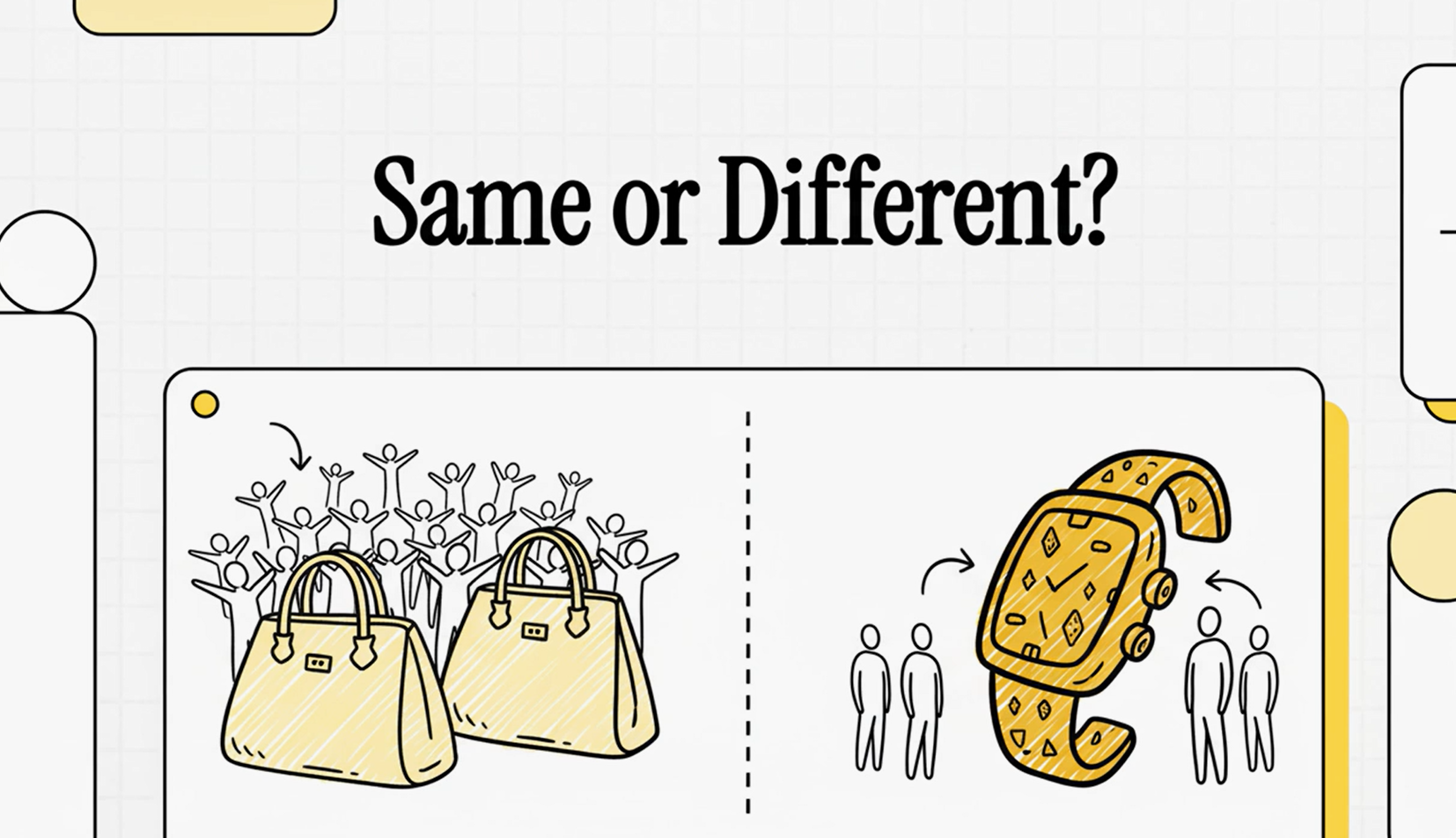
Should brands selling status goods design high-end and low-end products to look the same or different? In this paper, we study how brands make this aesthetic design differentiation decision. We first empirically analyze the impact of a brand’s aesthetic design differentiation on consumers’ preferences for the brand’s products using seven years of data of a status good (i.e., cars). We find that consumers prefer high-end products of a brand to look more differentiated but prefer low-end products of the brand to look less differentiated. This seems to present brands a product design dilemma, that is, neither design unification nor diversification within a brand can enhance the appeal of the brand’s high-end and low-end products at the same time. Based on this finding, we set up a game-theoretic model to analyze brands’ equilibrium design strategies. Interestingly, we find that the opposing preferences for design differentiation can lead brands to choose asymmetric design strategies, that is, one brand unifies design while another brand diversifies design, which can be a win-win outcome. We also give conditions where both brands unify design or both brands diversify design while the latter can be a prisoner’s dilemma. Furthermore, vertical differentiation (e.g., in brand strength) between brands affects the profitability of design diversification or unification. In addition, we show that the aesthetic design decision has important implications on how brands should set prices and functionalities of products and how much brands should invest in brand-building activities (e.g., advertising).
- Watch a short video summary of the research:

- Listen to a Google Notebook LM-generated Podcast about the research :